· 7 min read · Tennessee SEO Company team
Small Town, Short List: Getting Found in a Tennessee Town Under 10,000 People
In a Tennessee town under 10,000 people, a complete Business Profile, a page that names your town and county, and steady reviews do most of the work.
Updated
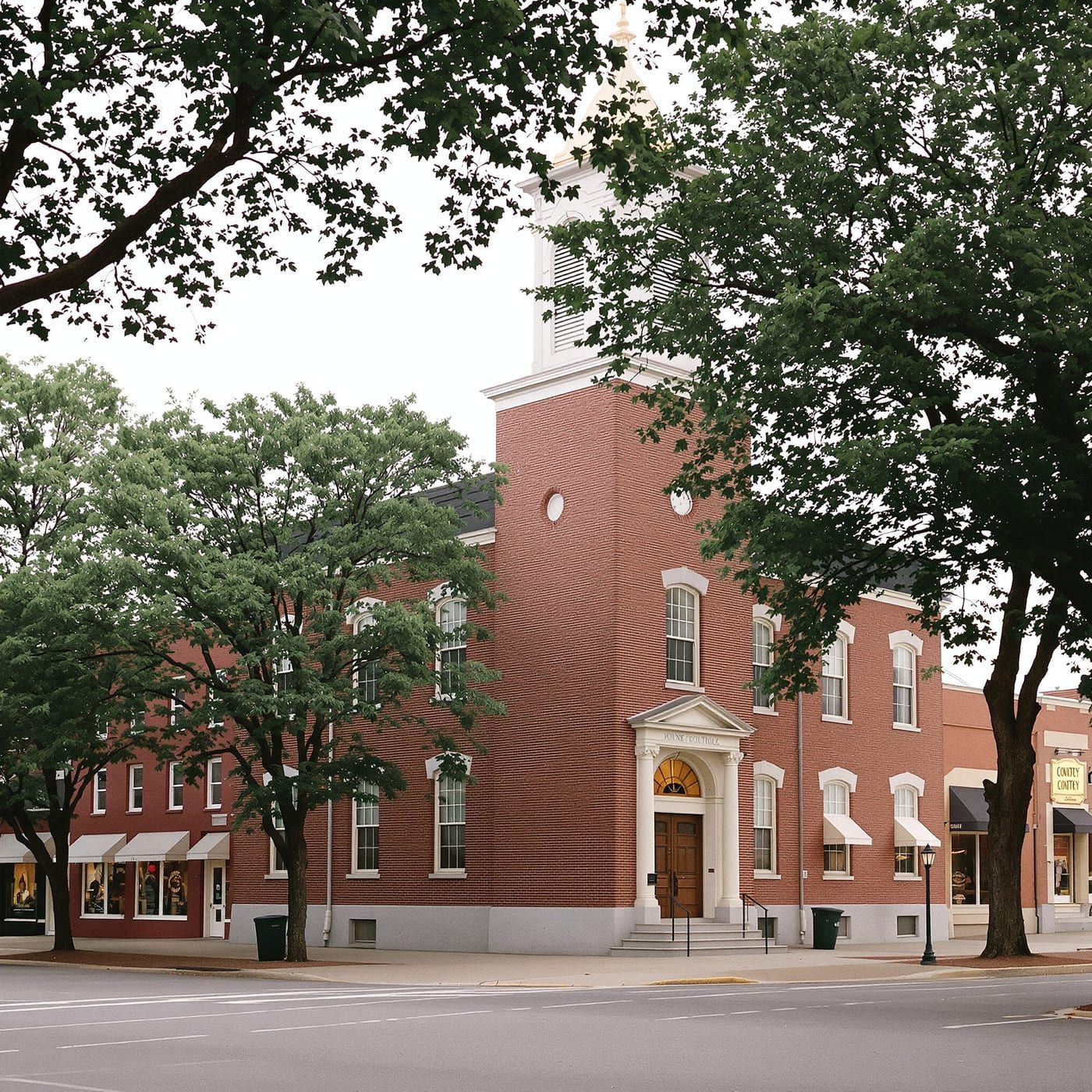
In a town under 10,000 people, SEO comes down to a short list: a complete Google Business Profile, a website page that names your town and your county, a steady stream of honest reviews, and the same name, address and phone number on every listing. Competition is usually thin, so those basics carry more weight than they would in Nashville or Knoxville. The trade-off is volume. A small county only produces so many searches, so the goal is to be the obvious answer to the few that exist, including the ones from the communities around you.
Why small-town search behaves differently
Google says its local results are mainly based on relevance, distance and prominence: how well a profile matches the search, how far the business is from the person searching, and how well known it is, which includes its reviews and the sites that link to it. In a city, dozens of businesses do well on all three. In a small town there may be three plumbers, and one of them has a half-finished profile with no photos and hours nobody has touched in years.
When Google can't find a strong local match, it fills the page with whatever it has: a business from the bigger town down the highway, a directory listing, a statewide list, a Facebook post. In small Tennessee towns it's common to search for a service and find pages about the nearest city ranked ahead of anything about the town itself. Any business in a small town that bothers to name the town properly is competing against that kind of page, and that's a fight a local business can win.
Keyword tools don't help much at this size. They tend to report most small-town phrases as zero or close to it, which is too coarse to plan around. People still search. They type "plumber near me", or the county name, or the name of the bigger town where they shop, and Google works out the rest from where their phone is. Plan for those phrasings, not only the one with your town's name in it.
Start with the Business Profile
For most small-town businesses, the profile brings in more calls than the website does. Work through it in this order:
- Primary category: the most specific one that says what your business is, not a list of everything you do.
- Name: your real-world name, exactly as it appears on your sign and your truck. Adding keywords or the town to the name is against Google's guidelines and can get the profile suspended.
- Address or service area: if customers come to you, show the address. If you go to them and work from home, hide the address and list the towns and counties you serve. Google's guidelines say a service area generally shouldn't reach past about two hours of driving from where you're based. A mailbox or virtual office isn't an eligible address.
- Hours, holidays included. When the drive in is 20 minutes, people check first, and a wrong Saturday closing time can cost you the customer.
- Photos of the real storefront, crew, trucks and finished jobs. A photo of your building from the street helps the person who has never been there find it.
- Services, each with a plain description, and a business description that says where you are and who you serve.
Google's help pages say businesses with complete and accurate information are more likely to show up in local results, and that there's no way to pay for a better local ranking. In a thin field, complete is often enough to move a business from missing to the map.
A page that names the town and the county
Plenty of small-town business websites say "proudly serving the area" and never say which area. Google needs the names, and so does the person reading. Say you run a heating and air company in Sparta, the White County seat (a hypothetical business). Your main service page could carry a title like "Heating and Air Repair in Sparta and White County, TN", and the page itself should give:
- the town, the county and "Tennessee" or "TN" in plain text near the top;
- the communities you drive to, named the way locals name them when they give directions;
- how far you'll travel, and whether a trip charge starts past a certain point;
- one or two real jobs nearby, with a photo and what you did (no customer names unless they agree);
- your hours, how to reach you and what happens after someone calls.
The county name matters more here than in a city. People who live outside town limits often search by county ("septic pumping white county tn"), and a page that never mentions the county misses them.
Don't build a separate page for every crossroads within 30 miles. A page that only swaps the place name is the kind of doorway page Google's spam policies warn about, and it reads as filler to customers too. One strong page for your home town and county does more than ten thin ones. Add a page for another town only when you've done enough work there to say something specific about it. The Tri-Cities guide to one regional page or a page per city walks through that decision with a worked example.
Reviews weigh more when there are fewer of them
In a city, a plumber with 300 reviews might be up against others with 250. In a small town, 15 recent reviews can put you ahead of everyone nearby, and a single bad one stands out. Google lists more reviews and positive ratings among the things that can help local ranking.
What works is a habit, not a campaign:
- Ask every customer when the job is done. Asking only the ones you know are happy (review gating) is against Google's review policies, and so is offering a discount or gift in exchange for a review.
- Make it easy: a short link by text message, or a card left with the invoice.
- Reply to every review, briefly. Thank people for the specific job without repeating anything private.
- Never write reviews for yourself or ask relatives to post them. Fake reviews are prohibited, and in a town where people know whose cousin wrote what, they also cost you trust.
Citations: the short list
Citations are listings of your name, address and phone on other sites. A small-town business doesn't need hundreds. It needs a handful that are right:
- Apple Maps (through Apple Business Connect) and Bing Places, because some phones and cars use them instead of Google;
- Facebook, Yelp and the directories for your trade;
- the local chamber of commerce and any county or town business directory;
- the local paper's business directory, if it has one.
The usual small-town problem is old information: the previous owner's phone number, a listing at the address you left five years ago, a duplicate someone else created. Search your business name and your old phone numbers, and fix what's wrong. The five-step cleanup in our post on Bristol listings works for any town: one master copy, then every listing checked against it.
The county seat and the towns around it
Small-town businesses tend to sit in one of two places. (Tourist towns are a third case. Pigeon Forge had about 6,400 residents in the Census Bureau's 2024 estimate, yet the customers of its cabins, restaurants and shows mostly live somewhere else. Sevier County tourism businesses plan their search work around that.)
If you're in the county seat, you're the hub. People from the smaller communities come in for errands, appointments and supplies. Your page should name those communities, and if you travel to customers, your service area should cover them.
If you're in a smaller town near the county seat, many of your customers may live in the county seat, and your profile will have a harder time showing there because Google weighs distance from the person searching. Your website can still rank in the regular results for searches that name the county seat, through a page about the work you do there. Be honest on that page about where you're based and how long it takes you to get there.
What to expect
Results in a small market tend to come faster than in a city, because there's less to beat, but they still take months, not weeks. The numbers stay small, and that's fine when they're the right numbers. A worked hypothetical: say about 40 people a month in your county search for what you do, in all the ways they phrase it. If your profile shows for half of them and one in four of those calls, that's five calls. If you book one call in two and an average job is worth $600, that's about $1,500 a month in work you weren't getting. You can try the same math with your own figures in our city lead model.
Measure what matters: calls and direction requests in the Business Profile, form leads, and a "how did you hear about us" question at every booking. Rankings are a side effect. If you'd like to see how we handle this kind of work for towns of every size, start with our SEO service for Tennessee businesses.
Before you change anything, it helps to know where you stand. Request the free SEO scorecard with your site and your town, and use it as the checklist for your first month.