· 6 min read · Tennessee SEO Company team
Cabins, Shows and Pancakes: How Sevier County Tourism Businesses Get Found
How Gatlinburg, Pigeon Forge and Sevierville tourism businesses get found by visitors planning from out of state, through the seasons and on the day.
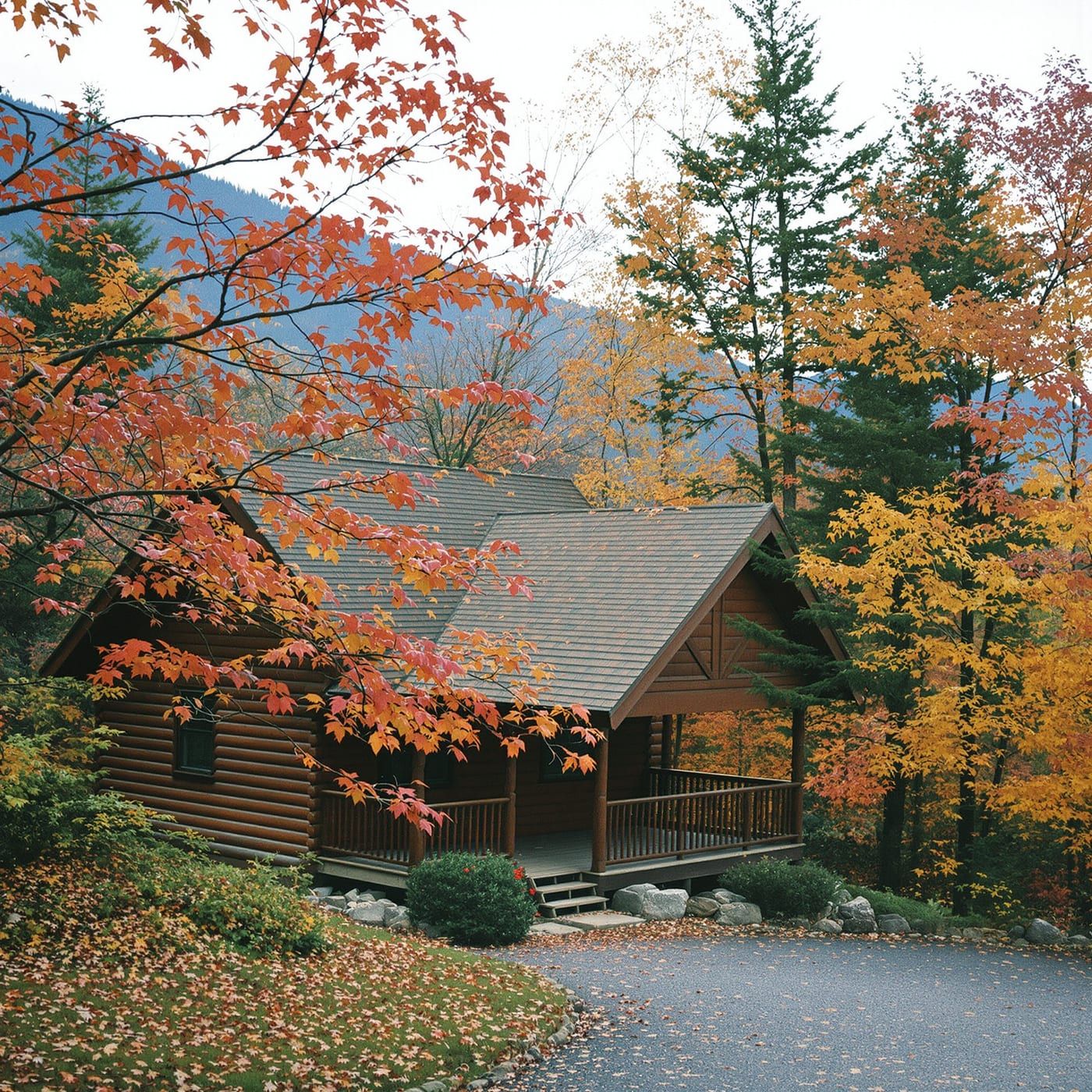
A Sevier County tourism business gets found twice: first, weeks before the trip, when a family two states away types "cabins in pigeon forge with hot tub" or "dinner show pigeon forge", and again on the day, when they're on the Parkway asking their phone for "breakfast near me". Planning searches are won with clear pages on your own website. On-the-day searches are won with a complete Google Business Profile. Seasons, listing sites, photos and reviews all hang off those two moments.
A town built around visitors
The Census numbers show how lopsided the market is. Pigeon Forge had an estimated 6,446 residents in 2024. In the American Community Survey (2019-2023), accommodation and food services employed 28.8% of its working residents, retail 19.5%, and arts, entertainment and recreation another 9.3%. Across Sevier County, retail (15.3%) and accommodation and food services (14.8%) are the two largest industries.
So the customers of a cabin company, a pancake house or a show theater mostly live somewhere else. Gatlinburg, Pigeon Forge and Sevierville are gateways to the Great Smoky Mountains National Park, which the National Park Service counts as the most visited national park, and Dollywood is in Pigeon Forge. People arrive with the trip half planned and decide the rest on a phone.
That changes how search works for you. Google says local results are mainly based on relevance, distance and prominence. When someone in Ohio searches "pancakes gatlinburg", their distance from you means little: the town name in the search does the location work, and relevance and reviews decide the order. When the same family searches "pancakes near me" from their cabin on Wednesday morning, distance comes back into play. You need to be strong in both cases.
Build seasonal pages ahead of the season
Visitors search before they travel, so a seasonal page has to exist, and be indexed, well before its season. A page about fall color weekends written in the first week of October is late. A page about your Christmas shows published after Thanksgiving is late.
A workable rhythm:
- Write or refresh each seasonal page two to three months before the season starts.
- Keep the same URL year after year and update the dates, prices and photos, so the page keeps the links and history it has built.
- Put the season's details in plain text: dates, times, what's different (a holiday menu, later hours, a seasonal show).
- Use the quiet weeks for the slow work: new photos, page rewrites, replies to every review you missed.
Your Business Profile hours need the same care. Google's guidelines for Business Profiles say a seasonal business should set its regular hours during the season, add special hours for holidays and closures, and can mark itself temporarily closed in the off-season, then set regular hours again on reopening. Two details catch tourism businesses out. Google says indoor lodging such as hotels and motels shouldn't list hours at all, and neither should businesses whose hours follow a schedule, such as showtimes. A theater that lists "open 10 to 10" when the box office keeps different hours sends people to a locked door.
One more: Sevier County is on Eastern time, and plenty of your visitors aren't. Families driving in from Nashville, Memphis or anywhere else in the Central zone run an hour behind you. Write "Eastern time" next to show times, check-in times and tour departures, on the site and in confirmation emails. The guide to business hours across Tennessee's time zone line has wording you can borrow for confirmations that show both clocks.
Direct bookings and the listing sites
For broad searches like "cabins in gatlinburg", large listing and booking sites tend to hold the top spots, and one cabin company won't usually push them aside. The searches you can win are narrower and closer to the booking:
- Your own name. A guest who stayed with you last year and searches your company or cabin name should land on your site, not on a listing page. Put the brand name in your page titles and your profile, and make sure the site answers the questions people ask before they book.
- Property details. One page per cabin, with the bedroom count, the hot tub, the view, the parking (room for a boat trailer or not), the driveway (steep, paved or gravel) and the drive to the Parkway. Those details match the long searches people type: "cabin with game room and mountain view pigeon forge", "pet friendly cabin sevierville".
- An honest reason to book direct: a lower total, a flexible check-in, a local tip sheet. Only claim what's true.
Listing platforms have their own rules about pointing guests to outside websites and contacting them off the platform. Read the current terms of each one before you put your web address anywhere in a listing.
Do the math with your own numbers. Say each direct booking saves you $40 in platform fees and you move 30 bookings a year to your own site: $1,200 a year, before counting the repeat guests who book direct the next time too. Our break-even calculator runs the same kind of sum for what you spend on search.
A Business Profile for each place a visitor walks into
Each real location can have its own profile, so a pancake house with one restaurant in Pigeon Forge and another in Gatlinburg should have two, each with its own photos, hours and reviews. A few rules matter more here than in most towns:
- The name is the name on the sign. Adding "Best Breakfast Pigeon Forge" to a profile name is against Google's guidelines and can get the profile suspended.
- Categories: Google says to use as few as possible, and the most specific one that describes your core business. Search the category list for the closest match to what you are; a breakfast spot or a dinner theater should check for an option more specific than a general one.
- For a cabin rental company, the profile describes the company and the office guests visit, if there is one. The individual cabins belong on your website as property pages.
We cover the rest of the local setup on our SEO page for Pigeon Forge and Sevier County businesses.
Photos that answer visitors' questions
Visitors can't drive past before they book, so photos do the job a storefront does in an ordinary town. Google's own tips for local ranking include adding photos and videos, and for a family choosing between two cabins they're most of the decision. Show:
- The real view from the deck, in the season the guest will see it. Bare trees in January look different from the summer shot.
- The driveway and the parking, because many visitors aren't used to mountain roads.
- For restaurants, the plates people order most, and the waiting area as it really looks at peak hour.
- For shows and attractions, the seating, the entrance and the accessible routes.
Add new photos every season, and take down the ones that no longer match: a renovated kitchen, a ride that's gone.
Event pages and first-time visitors
An event page earns its place when you have a real part in the event: late hours, a special show schedule, a cabin package. Write one page per recurring event you take part in, update it each year at the same address, and give times in Eastern time.
For visitors who've never been, add what a local takes for granted: where to park, how long the walk is from the lot, whether you take reservations, what to do if it rains. Phone signal can drop on mountain roads, so put directions, door codes and check-in steps in the confirmation email, not only on a web page a guest may not be able to load on arrival.
Reviews matter more for you than for a business whose customers come back every week. Many of your guests visit once, and their review is the word of mouth the next family reads. It's the same position Clarksville businesses are in with families arriving at Fort Campbell, and the review habits that work for newcomers with no neighbor to ask carry over to first-time visitors. Ask every guest the same way, at checkout or at the end of the show, with a short link or a card with a QR code. Don't offer a free stack of pancakes or a discount for a review, since incentives are against Google's review policies, and don't ask only the guests who looked happy.
Before the next season
It's worth seeing your business the way a family planning from three states away sees it. The free SEO scorecard checks your profile and your pages together and lists what to fix before the season starts.