· 6 min read · Tennessee SEO Company team
Move-In, Game Days and Graduation: Planning a Knoxville Business Around UT's Year
How move-in, home football weekends and graduation change what Knoxville customers search for, and how to time pages and Business Profile posts to match.
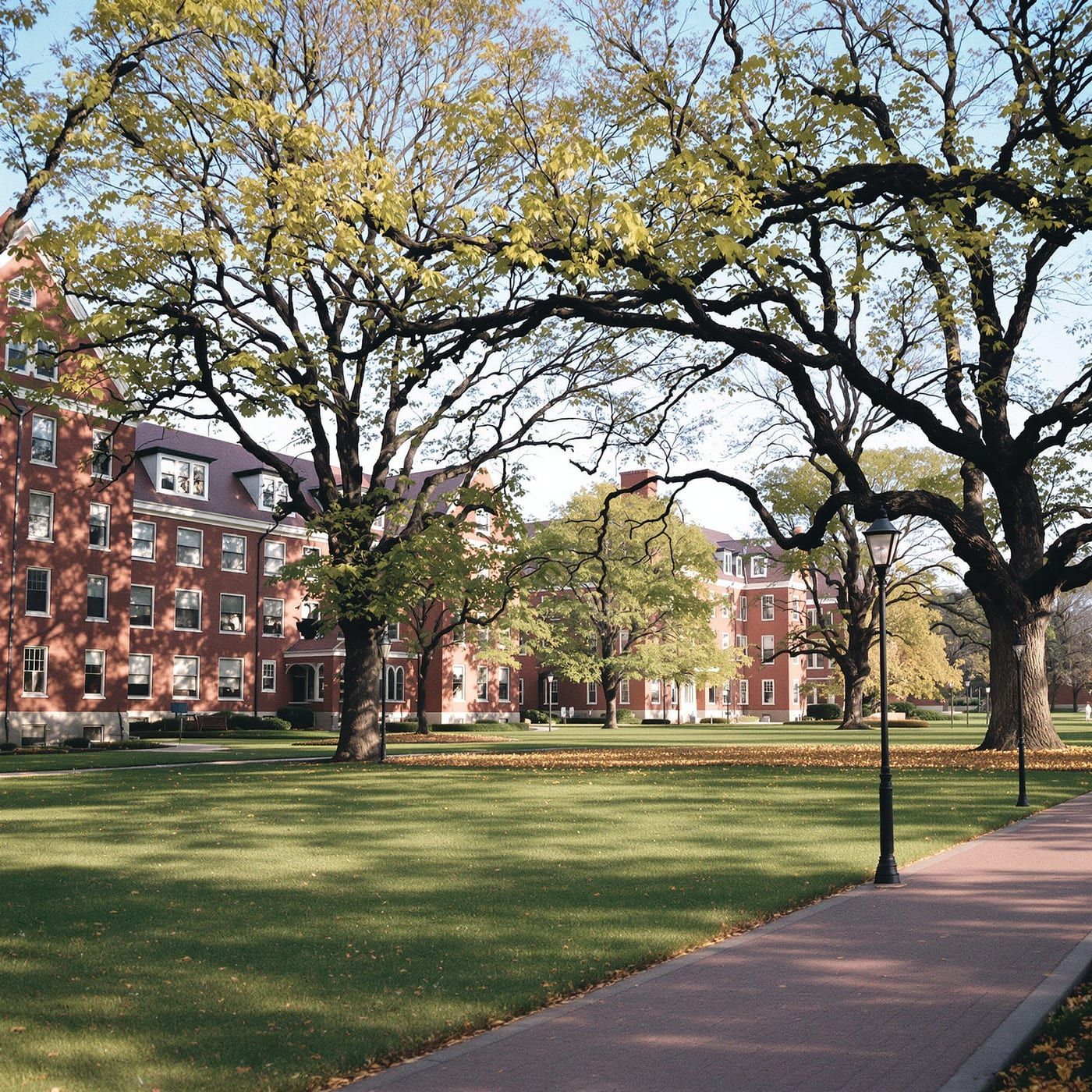
If your Knoxville business serves students, their families or game-day visitors, your search demand follows the University of Tennessee's calendar more than the weather. Move-in, home football weekends and graduation each bring a different crowd looking for different things, and many of them are new to town with nobody to ask for a recommendation. Plan your pages and Business Profile updates a few weeks ahead of each turn in that calendar, then repeat the cycle every year.
Why a campus city searches differently
The University of Tennessee's main campus sits in Knoxville, along Cumberland Avenue and the river. Two census figures hint at how much of the city's work ties to the campus and its visitors. In American Community Survey data for 2019-2023, educational services employ 11.2% of working Knoxville residents and accommodation and food services 11.7%, both higher shares than in Nashville or Memphis.
The bigger effect is turnover. Every August a new group of students arrives without a dentist, a mechanic, a barber or a favorite pizza place, and every May and December a group leaves. Word of mouth, which many small businesses in a stable town rely on, resets each year for this group. A first-year student from Memphis or Atlanta picks a business the way a traveler does: by searching, looking at the map, and reading the reviews.
Parents search too, often from home before they drive in. They book hotels for move-in and graduation, look for storage and movers, and check on urgent care and pharmacies near campus. Then on fall Saturdays come the football visitors, many of whom only know the stadium and the street they parked on.
The Knoxville year, by search
The phrases below are examples of how each group tends to search. Try your own trade's versions in Google before you build anything.
Late July and August: move-in
Students and parents search for what an apartment needs on day one: "storage units near ut knoxville", "furniture delivery knoxville", "internet service knoxville apartment", "bike repair near ut", "urgent care near ut campus". Expect plenty of them to be typed as "near me" on a phone in the Fort Sanders neighborhood or on the Strip.
What to have ready by mid-July:
- A page that speaks to new arrivals: how far you are from campus, whether you deliver to campus-area apartments, payment options, and what a first visit costs.
- Business Profile hours that match the move-in rush (extended hours, if you offer them, set as special hours).
- Fresh photos of the shop front and parking, so someone who has never been to Knoxville can find the door.
September to November: home football weekends
On home game Saturdays the searches near campus shift to visitors: "brunch near neyland stadium", "parking near neyland stadium", "tailgate catering knoxville", "hotels near ut knoxville". At the same time, regular customers may steer clear of the area, so a service business near campus can see its normal calls drop on those days.
What to do:
- Publish the season's home dates on a game-day page if your hours or services change (pre-orders, catering, parking, shuttles), and keep that page at the same URL every year so it builds history.
- Set special hours in your Business Profile for each home game, and add a short post the week before.
- Tell regular customers how to reach you on game days, and whether you reschedule appointments.
Keep the university's logos and marks off your pages unless you have permission to use them. A plain "near Neyland Stadium" says where you are without them.
December and May: graduation
Graduation weekends bring families who book early and plan from out of town: "graduation dinner reservations knoxville", "graduation photographer knoxville", "florist near ut campus", "hotels near ut for graduation". They also bring the move-out: "movers knoxville short notice", "apartment cleaning knoxville", "sell my car knoxville".
Restaurants, photographers, florists and hotels should have their graduation information live six to eight weeks ahead, with real availability and how to book. A page that says "contact us for graduation" with no dates or details loses to one that says what you offer and when it fills up.
Summer: the quiet stretch
With fewer students in town, summer is when campus-area businesses can fix things: rewrite thin pages, update photos and prices, ask long-time local customers for reviews, and get the move-in page ready before July.
No referrals: what replaces word of mouth
Students are in the same spot as any newcomer, like the new residents pouring into Rutherford County, except that a new group arrives every August. A student who has never been to your shop decides from three things on Google: your star rating and the newest reviews, your photos, and whether your page answers the obvious questions (price, hours, where to park, whether you take walk-ins).
Reviews matter most, and they go stale fast in a turnover market. Many of last year's reviewers have since left town, and this year's students read the newest reviews first. Ask every customer for a review, steadily, through each semester. Don't ask only the customers you know were happy, and don't offer a discount or freebie for a review: both are against Google's review policies.
Build once, update every term
Don't build a new page for every semester. Make a small set of pages and keep them:
- A "near campus" page with directions from places students know (the Strip, the stadium, the main dorm areas), parking details and walking times you have checked yourself.
- A move-in page, updated each July with the year's details.
- A game-day page, updated each August with the home schedule.
- A graduation page, updated each spring and fall.
Each one stays at the same address year after year. Google sees one page with a long history instead of a string of short-lived ones, and returning parents find the same page they used last year. Tourism businesses in the Smokies run the same play with seasonal pages refreshed a few months before each season.
Then put Business Profile posts on a calendar: one in late July for move-in, one before each home game if your hours change, one six weeks before each graduation, one in January for the spring semester. That's about a dozen posts a year, each tied to a real reason someone is searching.
A worked example (hypothetical)
Say a storage facility in West Knoxville rents 30 units in a normal month, and 90 in the four weeks around May move-out. If its move-out page and Business Profile post go live in late March instead of the week before, and that brings in 15 more rentals at $90 a month for an average stay of three months, that's about $4,000 of revenue from one page update and one post, published six weeks earlier than usual. Your numbers will differ, so run the same sum with your own prices and the weeks your log shows.
Where to start
Pull your sales or call log for the last two years and mark the weeks that spiked. Those weeks are your Knoxville calendar, and each one needs a page or a post ready a month ahead. Clarksville businesses do something similar around the summer moving season at Fort Campbell, and the logic is the same: get the page live before the crowd starts searching. Our Knoxville SEO page covers how we approach map pack and page work in the city. If you want to talk through your own calendar, request a call and pick a time that suits you on Eastern time.